- AI Pulse
- Posts
- ⚔️Will OpenAI Lose to Britannica?
⚔️Will OpenAI Lose to Britannica?
The massive new lawsuit that could change how you use ChatGPT forever.

Rahul G. Iyer
March 17, 2026

In partnership with


Hello There!
As the makers of the dictionary drag OpenAI to court for allegedly scraping thousands of articles to train ChatGPT. Meanwhile, OpenAI is also busy negotiating a massive ten billion dollar enterprise joint venture with private equity giants. On the visual front, ByteDance just had to hit the brakes on its new AI video generator after Hollywood studios panicked over unauthorized celebrity clips.
Here's what's making headlines in the world of AI and innovation today.
In today’s AI Pulse
📄 Mintlify Docs AI – Auto-generate structured docs from your codebase.
💰 Mindstream AI Income Guide – 200+ ideas to monetize AI skills today.
📰 Morning Brew Newsletter – Skip jargon, get clear and engaging business news.
⚖️ Dictionary – Giants Sue OpenAI Over Copyright.
💼 OpenAI – Plans $10B Enterprise Joint Venture.
🎬 Hollywood – Halts ByteDance AI Video Launch.
⚡ Quick Hits – IN AI TODAY
🛠️ Tool to Sharpen Your Skills –🎓 AIGPE® Certified Six Sigma Green Belt
The coming years won’t just transform technology; they’ll reshape your home, your family life, and the control you have online.
Your Docs Deserve Better Than You
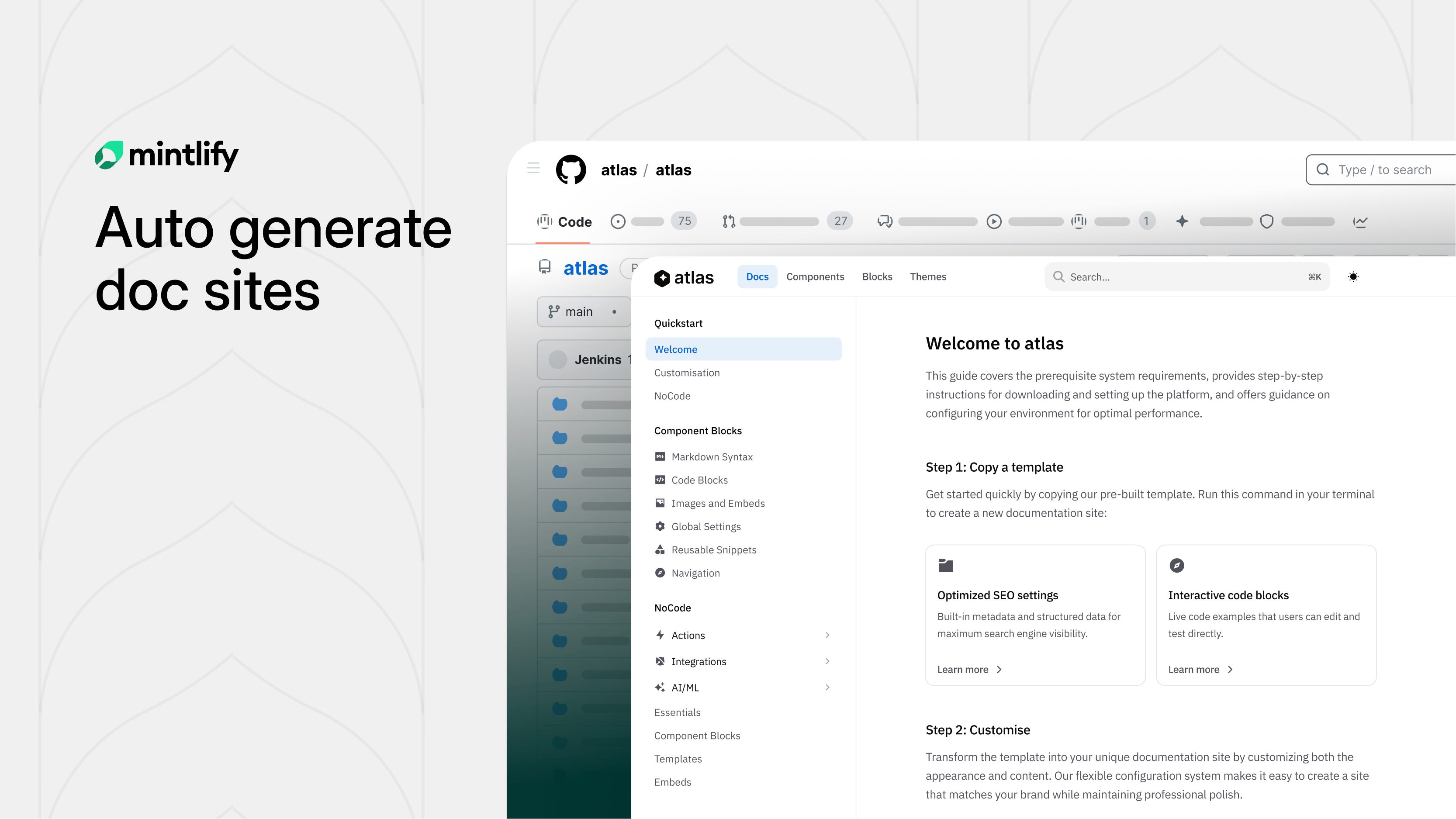
Hate writing docs? Same.
Mintlify built something clever: swap "github.com" with "mintlify.com" in any public repo URL and get a fully structured, branded documentation site.
Under the hood, AI agents study your codebase before writing a single word. They scrape your README, pull brand colors, analyze your API surface, and build a structural plan first. The result? Docs that actually make sense, not the rambling, contradictory mess most AI generators spit out.
Parallel subagents then write each section simultaneously, slashing generation time nearly in half. A final validation sweep catches broken links and loose ends before you ever see it.
What used to take weeks of painful blank-page staring is now a few minutes of editing something that already exists.
Try it on any open-source project you love. You might be surprised how close to ready it already is.
Turn AI Into Extra Income
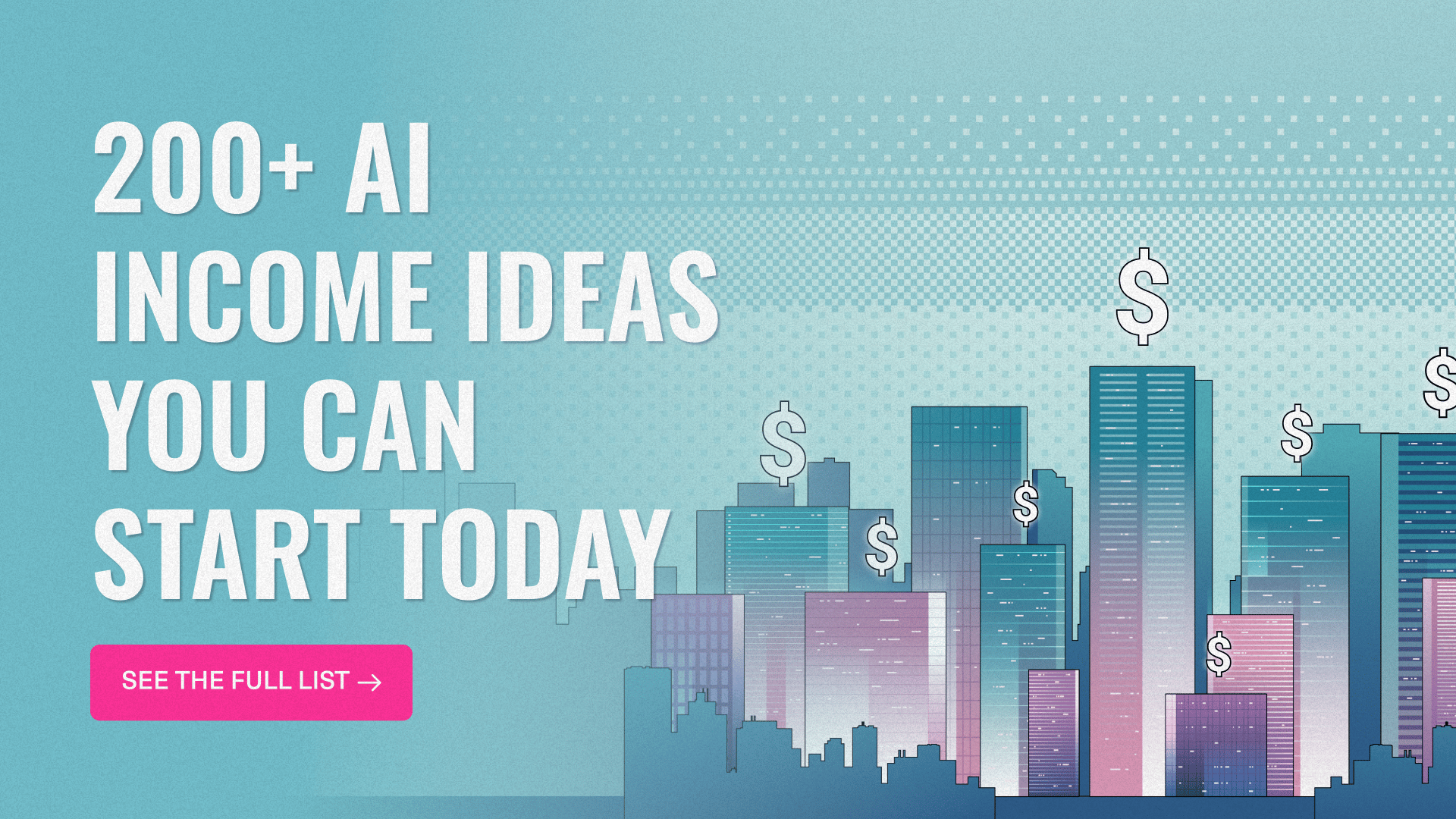
You don’t need to be a coder to make AI work for you. Subscribe to Mindstream and get 200+ proven ideas showing how real people are using ChatGPT, Midjourney, and other tools to earn on the side.
From small wins to full-on ventures, this guide helps you turn AI skills into real results, without the overwhelm.
The decision is yours

Confusing, jargon-packed, and time-consuming. Or quick, direct, and actually enjoyable.
Easy choice.
There’s a reason over 4 million professionals read Morning Brew instead of traditional business media. The facts hit harder, it’s built to be skimmed, and for once, business news is something you actually look forward to reading.
Try Morning Brew’s newsletter for free and realize just how good business news can be.

Image Credit: AIGPE®
🧠The Pulse
Encyclopaedia Britannica and Merriam‑Webster sued OpenAI, alleging the company scraped nearly 100,000 articles to train ChatGPT and that the chatbot produces verbatim passages and invented quotations. The lawsuit argues the practice violates copyright and the U.S. Lanham Act, seeking damages and injunctive relief against further use of their content.
📌The Download
Copyright claims – The suit contends OpenAI downloaded and used Britannica and Merriam‑Webster content without permission to train its models. The complaint cites instances where ChatGPT reproduces definitions and biographical facts verbatim.
Lanham Act allegations – Plaintiffs argue that hallucinated citations and misattributed quotations mislead users about the source of information, constituting false designation of origin under the Lanham Act. They seek to bar OpenAI from continuing the practice.
Legal backdrop – OpenAI faces multiple copyright lawsuits. Courts are weighing whether training AI models on copyrighted works constitutes fair use. Recent rulings permit limited transformative use but restrict copying of entire works.
Potential impact – A ruling in favor of the publishers could force AI developers to license reference materials, reshaping model training practices and increasing costs. OpenAI has not commented on this suit.
💡What This Means for You
Professional reliance on AI tools may confront more stringent copyright controls. Expect AI services to cite sources more carefully and potentially restrict certain information. Understanding how AI models are trained and ensuring proper attribution will become part of compliance when using generative tools in research, marketing or content creation.

Image Credit: AIGPE®
🧠The Pulse
OpenAI is in advanced talks to form a joint venture with private‑equity giants TPG, Advent, Bain Capital and Brookfield. The proposed vehicle would value the ChatGPT maker’s enterprise business at about $10 billion and provide investors board seats. It offers preferred equity, a 7‑10 % return and profit sharing.
📌The Download
Massive valuation – Reuters reported that OpenAI is negotiating with private‑equity firms TPG, Advent, Bain and Brookfield to form a joint venture that will distribute its enterprise AI products. The vehicle would value the business around $10 billion and give investors board seats.
Preferred equity structure – Investors would receive preferred equity that yields a 7‑10 % annual return and a share of profits. The deal lets OpenAI raise billions without ceding control of its technology, while giving backers a seat at the table. Anthropic is exploring similar financing but offering common equity.
Enterprise momentum – OpenAI already generates roughly $10 billion in annualised revenue from corporate customers out of its $25 billion total. The joint venture builds on its Frontier Alliances program, which teams with consultants and integrators to accelerate enterprise adoption.
Competitive landscape – Rivals like Anthropic are also courting large backers. An influx of capital will fund compute and talent as AI labs compete for corporate market share, emphasising how capital‑intensive the industry has become.
💡What This Means for You
Corporate interest in generative AI is sparking massive fundraising. For professionals, the news signals more robust enterprise AI offerings and deeper integrations with consulting firms. Expect accelerated deployment of AI tools in the workplace and closer partnerships between vendors and investors, raising questions about data governance and vendor lock‑in.

Image Credit: AIGPE®
🧠The Pulse
ByteDance has suspended the launch of its Seedance 2.0 video‑generation model following pushback from Hollywood studios and streaming platforms. The company is adding safeguards to prevent unauthorized use of intellectual property after some AI‑generated videos featuring celebrities went viral.
📌The Download
Copyright concerns – Pymnts reports that ByteDance delayed Seedance 2.0’s release due to copyright disputes. Hollywood studios and streaming services objected after AI‑generated clips of actors such as Tom Cruise and Brad Pitt circulated online, raising legal issues.
Safety measures – ByteDance plans to install safeguards and work with rights holders to ensure the model cannot be used to replicate copyrighted content. The company previously promised to stop unauthorized use of IP on its earlier Seedance tools.
Model capabilities – Seedance 2.0 is a video‑generation model that allowed users to create realistic scenes with famous actors using text prompts. The pause indicates the tension between creative freedom and intellectual‑property rights.
Industry implications – The incident highlights broader challenges for generative‑video platforms. Companies must balance innovation with legal compliance, and delays may slow adoption in entertainment and advertising sectors.
💡What This Means for You
Expect stricter controls on AI‑generated videos featuring real people. Professionals using generative media should review usage rights and obtain consent when incorporating AI models into marketing or training materials. Legal and compliance teams will need to stay abreast of evolving copyright policies around synthetic content.
IN AI TODAY - QUICK HITS
⚡Quick Hits (60‑Second News Sprint)
Short, sharp updates to keep your finger on the AI pulse.
Amazon Launches Health AI Agent for 24/7 Care: Amazon unveiled Health AI, an agentic health assistant integrated into the Amazon app and website. It provides personalized health insights, books appointments, renews prescriptions and explains lab results. Prime members can use Health AI for free 24/7 virtual consultations, signalling Amazon’s deeper push into consumer healthcare.
Google’s AI Predicts Flash Floods with Groundsource: Google unveiled Groundsource, a methodology that uses Gemini models to analyze millions of public reports and Google Maps data to create the largest open dataset of flash‑flood events. The project identified 2.6 million historical floods across 150+ countries and enables predictions of urban flash floods up to 24 hours in advance.
TOOL TO SHARPEN YOUR SKILLS
📈Improve Processes. Drive Results. Get Certified.
AIGPE® Certified Six Sigma Green Belt
Master the art of solving problems with data, reduce variation, and boost process performance. This Six Sigma Green Belt certification gives you the tools to drive improvement, eliminate waste, and lead projects with confidence and precision.
That’s it for today’s AI Pulse!We’d love your feedback, what did you think of today’s issue? Your thoughts help us shape better, sharper updates every week. |
🙌 About Us
AI Pulse is the official newsletter of AIGPE®. Our mission: help professionals master Lean, Six Sigma, Project Management, and now AI, so you can deliver breakthroughs that stick.
Love this edition? Share it with one colleague and multiply the impact.
Have feedback? Hit reply, we read every note.
See you next week,
Team AIGPE®