- AI Pulse
- Posts
- 🤔 Why Is The Pentagon Threatening Anthropic?
🤔 Why Is The Pentagon Threatening Anthropic?
The US military wants AI without limits. One tech giant is saying no, and a $200 million contract is on the verge of collapse.

Rahul G. Iyer
February 15, 2026

In partnership with


Hello There!
The Pentagon is threatening to sever its contract with Anthropic because the company refuses to lift its ethical restrictions on using AI for autonomous weapons and mass surveillance. Meanwhile, ByteDance has launched Seedance 2.0, a highly capable AI video generator that is going viral in China while triggering immediate copyright concerns from the Hollywood film industry. Adding to this wave of rapid AI deployment, Google has quietly rolled out a Gemini agent for Chrome that can autonomously navigate websites to perform complex, multi-step tasks like booking flights and filling out forms.
Here's what's making headlines in the world of AI and innovation today.
In today’s AI Pulse
📘🎙️ Wispr Flow – Voice prompts that unlock better AI output..
⚡ The Rundown AI – Daily AI updates, explained in five minutes.
🧭 You.com Guide – Find the AI use cases that matter.
🚨 Pentagon – Demands Unrestricted Anthropic AI Access
🎬 Viral AI Video Generator – Alarms Hollywood
🤖 Gemini Agents – Automates Your Web Browsing
⚡ Quick Hits – IN AI TODAY
🛠️ Tool to Sharpen Your Skills –🎓 AIGPE® Certified ChatGPT for Six Sigma Visualizations
The coming years won’t just transform technology; they’ll reshape your home, your family life, and the control you have online.
Better prompts. Better AI output.
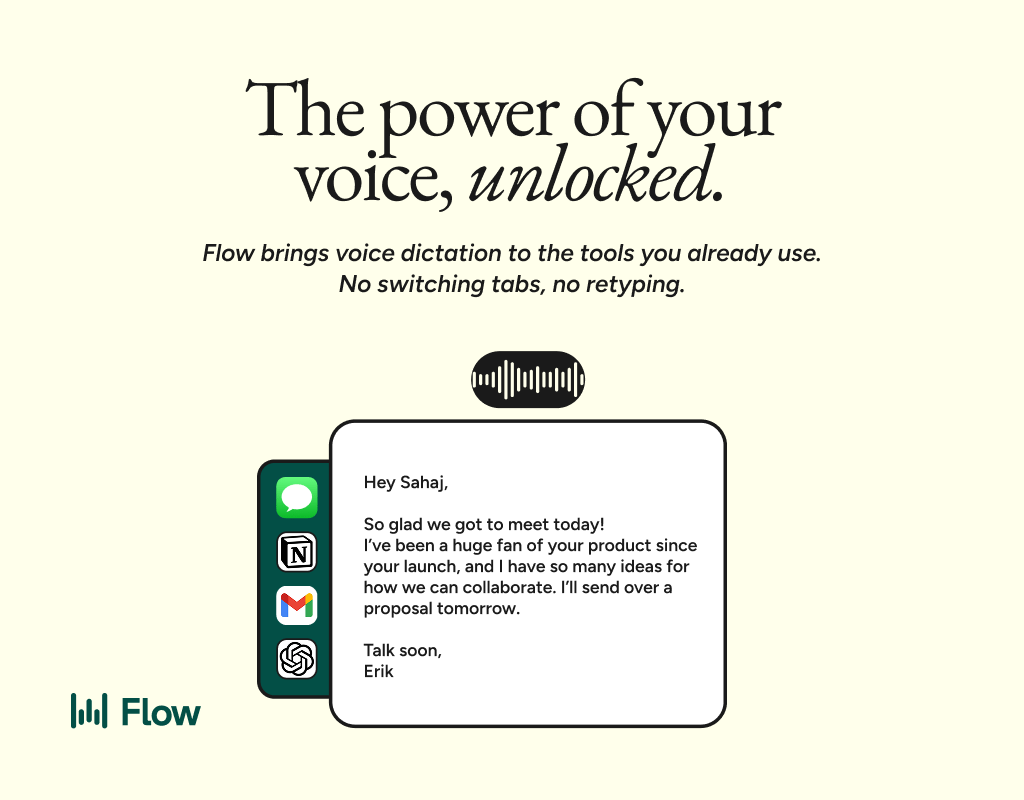
AI gets smarter when your input is complete. Wispr Flow helps you think out loud and capture full context by voice, then turns that speech into a clean, structured prompt you can paste into ChatGPT, Claude, or any assistant. No more chopping up thoughts into typed paragraphs. Preserve constraints, examples, edge cases, and tone by speaking them once. The result is faster iteration, more precise outputs, and less time re-prompting. Try Wispr Flow for AI or see a 30-second demo.
Learn AI in 5 minutes a day

What’s the secret to staying ahead of the curve in the world of AI? Information. Luckily, you can join 2,000,000+ early adopters reading The Rundown AI — the free newsletter that makes you smarter on AI with just a 5-minute read per day.
When training takes a backseat, your AI programs don't stand a chance.
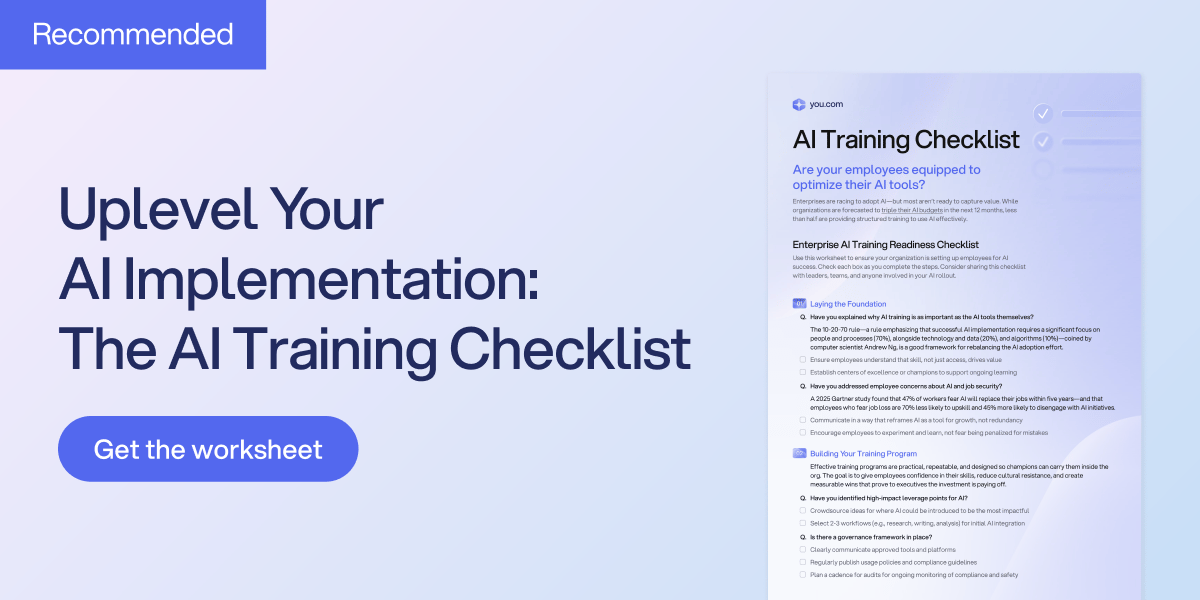
One of the biggest reasons AI adoption stalls is because teams aren’t properly trained. This AI Training Checklist from You.com highlights common pitfalls and guides you to build a capable, confident team that can make the most out of your AI investment. Set your AI initiatives on the right track.

Image Credit: AIGPE®
🧠The Pulse
The U.S. Defense Department is pressuring Anthropic to let its Claude models operate on classified military networks without the existing ethical restrictions that forbid fully autonomous weapons or mass domestic surveillance. A Pentagon official hinted that the department may cut off all access to Anthropic’s models if the company refuses to relax restrictions.
📌The Download
Pentagon demands unrestricted AI – The Defense Department is negotiating with Anthropic, OpenAI, Google and xAI to deploy large‑language‑model tools across unclassified and classified military networks. Officials want models available for “all lawful purposes,” including weapon design, intelligence collection and battlefield operations.
Anthropic insists on safeguards – Anthropic’s policies bar using Claude to build fully autonomous weapons or conduct mass domestic surveillance. The company will not permit its model to assist with acts that violate international law, even if the Pentagon’s procurement contract demands fewer restrictions.
Threat of contract termination – A senior Pentagon official told Reuters the department could cancel its relationship with Anthropic if negotiations fail. Anthropic has not yet signed onto a blanket statement allowing models to be used for any lawful purpose, unlike some rivals.
Broader race to secure AI – Military agencies worldwide are rushing to deploy generative AI while grappling with ethics and security. The Pentagon already pilots ChatGPT on unclassified networks and is negotiating separate deals with other firms to deploy AI on classified systems.
💡What This Means for You
Generative AI is now a strategic national asset. As a professional, expect tighter regulations on AI usage, especially in sensitive environments. Ethical boundaries may become battlegrounds between governments and tech companies. Understanding your organization’s AI policies and aligning them with both law and ethics will be crucial.

Image Credit: AIGPE®
🧠The Pulse
ByteDance’s new AI video model Seedance 2.0 has gone viral in China within days of launch. The multimodal system impressed Elon Musk, sparked millions of social-media views, and drew comparisons to DeepSeek’s breakout success. Cinematic AI-generated clips triggered both admiration and Hollywood backlash over copyright risks.
📌The Download
Multimodal breakthrough: ByteDance officially unveiled Seedance 2.0 on February 12, positioning it as a professional-grade AI video generator capable of processing text, images, audio and video simultaneously. The model targets film, e-commerce and advertising use cases while lowering production costs.
Viral social explosion: Within hours, Chinese social media users flooded Weibo with AI-generated cinematic clips. One two-minute palace-drama video featuring Kanye “Ye” West and Kim Kardashian drew around one million views, while related hashtags accumulated tens of millions of clicks.
Elon Musk boost: The buzz intensified after Elon Musk replied “It’s happening fast” to a post praising Seedance 2.0, amplifying global visibility and reinforcing comparisons to China’s earlier DeepSeek breakthrough moment.
Hollywood backlash: The Motion Picture Association criticized Seedance 2.0, warning of large-scale copyright infringement as users generated videos resembling Spider-Man, Titanic and other major franchises, igniting debate over AI safeguards and creative-industry disruption.
💡What This Means for You
AI video is rapidly moving from novelty to production-ready tool. As a working professional, expect marketing, media and content workflows to change dramatically. Costs may fall, but legal and copyright scrutiny will intensify. Understanding both the creative potential and regulatory risks of generative video will be critical.

Image Credit: AIGPE®
🧠The Pulse
Google quietly rolled out Auto Browse, letting Gemini take control of Chrome to perform multi‑step tasks like shopping or filling forms. Exclusive to AI Pro and Ultra subscribers in the US, the agent navigates pages, clicks buttons and uses Password Manager, while requiring human approval for payments.
📌The Download
Agentic browsing: Auto Browse allows Gemini to book flights, order products and file expenses autonomously. Users type a task into the sidebar and the AI opens a new tab that visibly handles the workflow.
Subscriber‑only launch: The feature is available only to paid AI Pro and Ultra subscribers in the US for now; Google hasn’t announced broader availability, making early adopters de facto beta testers.
Guardrails and accountability: During tasks, users remain accountable. Sensitive actions like posting to social media or entering credit cards trigger a pause and require manual confirmation. A disclaimer reminds users to monitor the agent’s behaviour.
Security questions: Experts warn that prompt‑injection attacks could hijack the agent via malicious websites. The rollout sparks debate over whether autonomous browsing solves real problems or introduces new risks.
💡What This Means for You
AI assistants are inching from summarising information to executing tasks. As agentic browsing enters consumer products, professionals must weigh convenience against security and accuracy. Expect more tools to offer “hands‑off” automation but plan to supervise critical workflows and stay alert to potential misbehaviour.
IN AI TODAY - QUICK HITS
⚡Quick Hits (60‑Second News Sprint)
Short, sharp updates to keep your finger on the AI pulse.
Analyst Predicts Google Will Overtake Nvidia: A Times of India commentary predicts Alphabet could become the world’s most valuable company by the end of 2026, overtaking Nvidia. The analyst argues that Google’s search and cloud revenues, custom AI chips and ecosystem control give it an advantage as AI infrastructure costs soar.
Nvidia CEO Cancels India AI Summit Appearance: Nvidia’s charismatic CEO Jensen Huang unexpectedly cancelled his trip to the India AI Impact Summit, where he was to headline alongside India’s prime minister. The absence has raised questions about Nvidia’s global outreach and sparked speculation over the company’s priorities.
TOOL TO SHARPEN YOUR SKILLS
📈Improve Processes. Drive Results. Get Certified.

AIGPE® ChatGPT for Six Sigma Visualizations
Turn data into clear visuals fast. This course shows how to prompt ChatGPT to create charts, explain metrics, and simplify reports without using Excel.
That’s it for today’s AI Pulse!We’d love your feedback, what did you think of today’s issue? Your thoughts help us shape better, sharper updates every week. |
🙌 About Us
AI Pulse is the official newsletter of AIGPE®. Our mission: help professionals master Lean, Six Sigma, Project Management, and now AI, so you can deliver breakthroughs that stick.
Love this edition? Share it with one colleague and multiply the impact.
Have feedback? Hit reply, we read every note.
See you next week,
Team AIGPE®