- AI Pulse
- Posts
- 🚨 Microsoft Moves AI Into Cancer Detection
🚨 Microsoft Moves AI Into Cancer Detection
AI is entering hospitals and changing early diagnosis.

Rahul G. Iyer
January 23, 2026

In partnership with


Hello There!
Microsoft and Bristol Myers are using AI to spot lung cancer earlier through smarter medical imaging, which means AI is officially showing up before symptoms do and corporate leaders should get comfortable with decisions being flagged by algorithms before coffee. OpenAI’s CFO has revealed how ChatGPT usage, compute power, and pricing together fueled a jump past $20B in revenue, which is a gentle reminder that the tools helping you write emails today are also quietly rewriting budgets tomorrow. Ericsson is bringing humanoid robots into offices as trainers and greeters, which means your next onboarding session might involve a robot that remembers faces better than most managers and never forgets the slides.
Here's what's making headlines in the world of AI and innovation today.
In today’s AI Pulse
🎙️ Wispr Flow – Turn voice into better AI prompts.
🔐 Proton Mail – Secure, private email without tracking.
🤖 The AI Report – AI news you’ll actually understand.
🔬 Microsoft – Brings AI Into Cancer Detection.
📈 OpenAI – Reveals Flywheel Behind $20B Growth.
🤝 Ericsson – Hires Humanoid Robots As Colleagues.
⚡ Quick Hits – IN AI TODAY
🛠️ Tool to Sharpen Your Skills –🎓 AIGPE® Certified AI Visualization Beginner (Accredited)
The coming years won’t just transform technology; they’ll reshape your home, your family life, and the control you have online.
Better prompts. Better AI output.
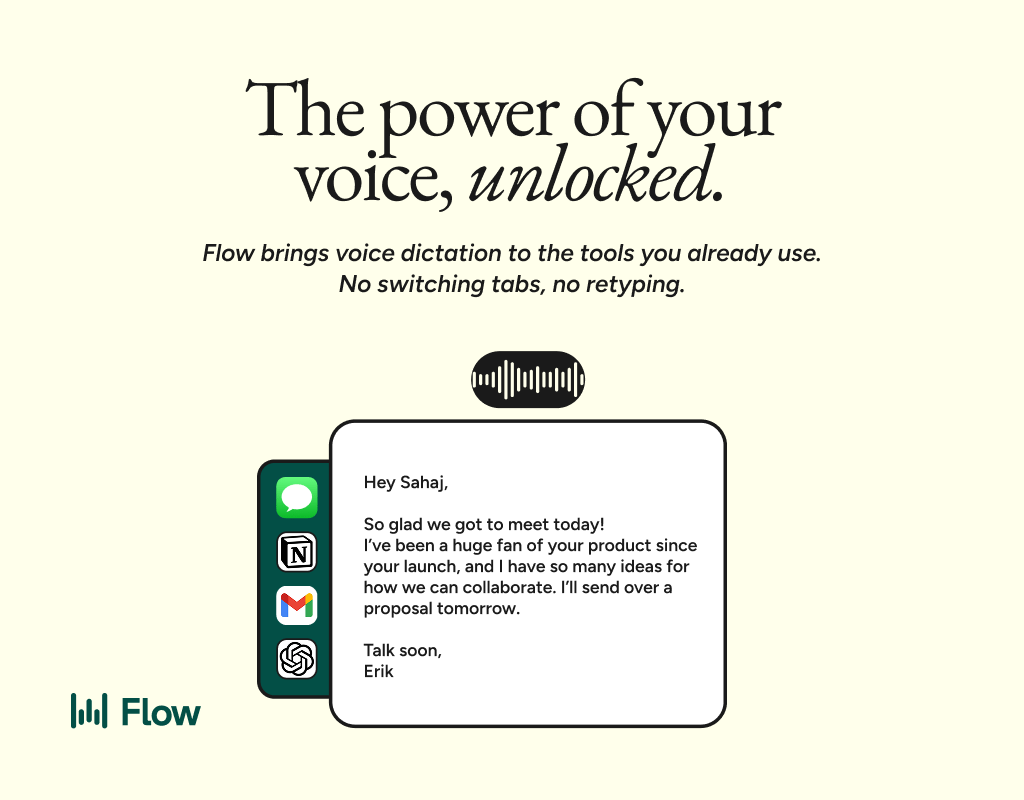
AI gets smarter when your input is complete. Wispr Flow helps you think out loud and capture full context by voice, then turns that speech into a clean, structured prompt you can paste into ChatGPT, Claude, or any assistant. No more chopping up thoughts into typed paragraphs. Preserve constraints, examples, edge cases, and tone by speaking them once. The result is faster iteration, more precise outputs, and less time re-prompting. Try Wispr Flow for AI or see a 30-second demo.
Privacy-first email. Built for real protection.

End-to-end encrypted, ad-free, and open-source. Proton Mail protects your inbox with zero data tracking.
AI You’ll Actually Understand

Cut through the noise. The AI Report makes AI clear, practical, and useful—without needing a technical background.
Join 400,000+ professionals mastering AI in minutes a day.
Stay informed. Stay ahead.
No fluff—just results.

Image Credit: AIGPE®
🧠The Pulse
Bristol Myers Squibb and Microsoft partnered to deploy AI‑powered radiology algorithms that scan chest X‑rays and CT scans for lung nodules. The FDA‑cleared system aims to detect lung cancer earlier, expand screening access in underserved communities and blend Bristol’s oncology expertise with Microsoft’s cloud‑based imaging network globally, rapidly, soon.
📌The Download
AI radiology partnership – Bristol Myers Squibb agreed to use Microsoft’s Precision Imaging Network, which hosts FDA‑cleared algorithms scanning chest X‑rays and CT scans for lung nodules.
Expansion & access – The collaboration will bring advanced screening to more patients, especially in underserved communities equitably. It pairs Bristol’s oncology expertise with Microsoft’s cloud‑based network, allowing hospitals and clinics to deploy AI tools without owning expensive hardware.
Speed & accuracy – AI models help radiologists by highlighting suspicious regions, potentially reducing workload and improving detection accuracy. Early diagnosis could lead to better outcomes and reduced disparities in lung cancer care.
Regulatory & privacy – The algorithms have FDA clearance, but health systems must integrate them securely and follow privacy laws. The partners will work with providers and regulators to ensure responsible use of medical data and build trust in AI‑enabled diagnostics.
💡What This Means for You
AI‑driven medical imaging could transform preventive care. Expect healthcare partners and insurers to adopt similar tools, enabling earlier diagnoses and shifting focus toward proactive interventions. It underscores the need for data governance, regulatory compliance and cross‑industry collaboration to ensure ethical deployment of AI in sensitive domains worldwide today.

Image Credit: AIGPE®
🧠The Pulse
OpenAI CFO Sarah Friar explains how the company’s business model scales with the value of intelligence. ChatGPT’s integration into daily life has driven record usage around the world and revenue grows alongside compute investments. Subscriptions, usage‑based pricing and careful advertising tie monetisation to the utility customers derive from AI eventually.
📌The Download
Mass adoption – CFO Sarah Friar notes that ChatGPT moved from a research preview to daily utility. Students, parents, writers and professionals use it for homework, trip planning, drafts and coding, driving record daily active users.
Value‑aligned pricing – OpenAI’s business model scales with the value it delivers. Consumer and workplace subscriptions and usage‑based API pricing ensure revenue tracks work performed. The company is adding commerce and advertising near purchase decisions, always clearly labeled.
Compute & revenue flywheel – Compute capacity jumped from 0.2 GW in 2023 to 1.9 GW in 2025, enabling revenue to grow from $2 billion to over $20 billion. More compute drives frontier research, better products, adoption and monetisation in a reinforcing loop.
Native monetisation – Friar says monetisation should feel native; ads or commerce must add value to users. This principle guides decisions on subscriptions, ads and partner offerings to build trust and sustainable growth.
💡What This Means for You
The blog underscores that AI success hinges on aligning pricing with value delivered. Professionals should expect transparent subscriptions and contextually relevant ads as AI assistants become work necessities. Understand how compute capacity and AI adoption drive costs when using enterprise AI platforms and make informed investment decisions for your organisation.

Image Credit: AIGPE®
🧠The Pulse
Telecom giant Ericsson will deploy Realbotix humanoid robots at its Imagine Studio using proprietary vision technology. The robots will train employees, greet visitors and support STEM outreach. Their system detects movement, emotions, faces and colours, enabling personalised interactions. Ericsson says adoption shows confidence in humanoid robots’ workforce integration this year.
📌The Download
Partnership milestone – Ericsson partnered with Realbotix to deploy humanoid robots at its Imagine Studio in Plano, Texas. The robots will provide workforce training, interactive visitor experiences and campus outreach and mark a milestone in telecom robotics collaboration in the United States demonstration.
Vision & perception – Realbotix’s proprietary vision technology allows robots to detect movement, interpret emotions, remember faces, recognise colours and generate analytics. The robots can also read text, enabling dynamic interactions and personalised responses to users’ gestures and expressions.
Use cases – Robots will train employees on 5G and networking, greet visitors, provide guided tours, answer HR questions and engage students during STEM events, showing versatility in training, customer engagement and educational outreach.
Confidence & impact – CEO Andrew Kiguel said Ericsson’s adoption reflects confidence in humanoid robots augmenting human teams. The collaboration highlights how AI robots can enhance employee training and create engaging visitor experiences globally.
💡What This Means for You
As robots become trainers and guides, workplace roles will expand. Professionals may learn from and collaborate with bots that read emotions and remember faces. This raises expectations for user‑experience design, privacy protection and cross‑training between human and machine educators while ensuring transparency and ethical data use and inclusive engagement responsibly.
IN AI TODAY - QUICK HITS
⚡Quick Hits (60‑Second News Sprint)
Short, sharp updates to keep your finger on the AI pulse.
Ukraine Offers Combat Data for AI Training: Ukraine will let allies train AI models on wartime data, including battle statistics and millions of hours of drone footage, viewing it as a negotiation tool.
Nvidia’s H200 Export Stuck in China: Inventec said sales of Nvidia’s latest H200 AI chips to China remain stalled because Beijing has yet to approve the exports, even though U.S. regulators have given conditional approval.
TOOL TO SHARPEN YOUR SKILLS
📈Improve Processes. Drive Results. Get Certified.

AIGPE® Certified AI Visualization Course
Learn how to turn AI data into simple visuals. Understand charts, dashboards, and tools that bring insights to life. Start your journey in AI visualization today.
That’s it for today’s AI Pulse!We’d love your feedback, what did you think of today’s issue? Your thoughts help us shape better, sharper updates every week. |
🙌 About Us
AI Pulse is the official newsletter of AIGPE®. Our mission: help professionals master Lean, Six Sigma, Project Management, and now AI, so you can deliver breakthroughs that stick.
Love this edition? Share it with one colleague and multiply the impact.
Have feedback? Hit reply, we read every note.
See you next week,
Team AIGPE®