- AI Pulse
- Posts
- ☢️ Google Goes Nuclear for AI
☢️ Google Goes Nuclear for AI

Rahul G. Iyer
October 28, 2025

In partnership with


Hello There!
AI is moving faster than ever, but at what cost? Today's stories reveal the hidden side of innovation: mental health data being analyzed, mass layoffs funding AI projects, nuclear power being revived for data centers, and even Wikipedia being copied without credit.
The AI revolution isn't just about breakthroughs anymore, it's about the messy, controversial decisions being made behind the scenes. From privacy concerns to job losses, from energy demands to copyright battles, the line between progress and problems keeps blurring.
Here's what's making headlines in the world of AI and innovation today.
In today’s AI Pulse
👉 The Code – Tomorrow’s Tech, Today.
🚀 Lindy – Build AI Agents in Minutes.
🧠 ChatGPT Shares Mental Health Crisis Data – OpenAI reveals how many users exhibit suicidal thoughts or psychosis in chats, sparking privacy and ethics debates about AI monitoring emotional distress.
💼 Amazon's Biggest Layoffs Ever Start Tuesday – Amazon announces its largest job cuts in history, targeting thousands of corporate workers to fund AI investments and automation.
⚡ Google Restarts Nuclear Plant for AI Power – Google and NextEra revive Iowa's Duane Arnold nuclear facility to meet surging energy demands from AI data centers and computing operations.
📚 Musk's Grokipedia Caught Copying Wikipedia – Elon Musk's new platform launches with pages directly copied from Wikipedia, raising copyright violations and attribution concerns.
🧠 AI Tool of the Day – Guidde: Turn Any Workflow Into a Stunning AI-Powered Video in Seconds.
📘 Book of the Day – Good Strategy, Bad Strategy by Richard Rumelt
⚡ Quick Hits – IN AI TODAY
🛠️ Tool to Sharpen Your Skills –🎓 AIGPE® Six Sigma Green Belt
🧠 Key Quote | Kai-Fu Lee | AI Expert and Investor
From mental health tracking to nuclear restarts, AI is everywhere, shaping what we build, how we work, and even what we think. The future isn't coming; it's already here, messy, powerful, and impossible to ignore.
What 100K+ Engineers Read to Stay Ahead

Your GitHub stars won't save you if you're behind on tech trends.
That's why over 100K engineers read The Code to spot what's coming next.
Get curated tech news, tools, and insights twice a week
Learn about emerging trends you can leverage at work in just 10 mins
Become the engineer who always knows what's next
The Simplest Way to Create and Launch AI Agents and Apps
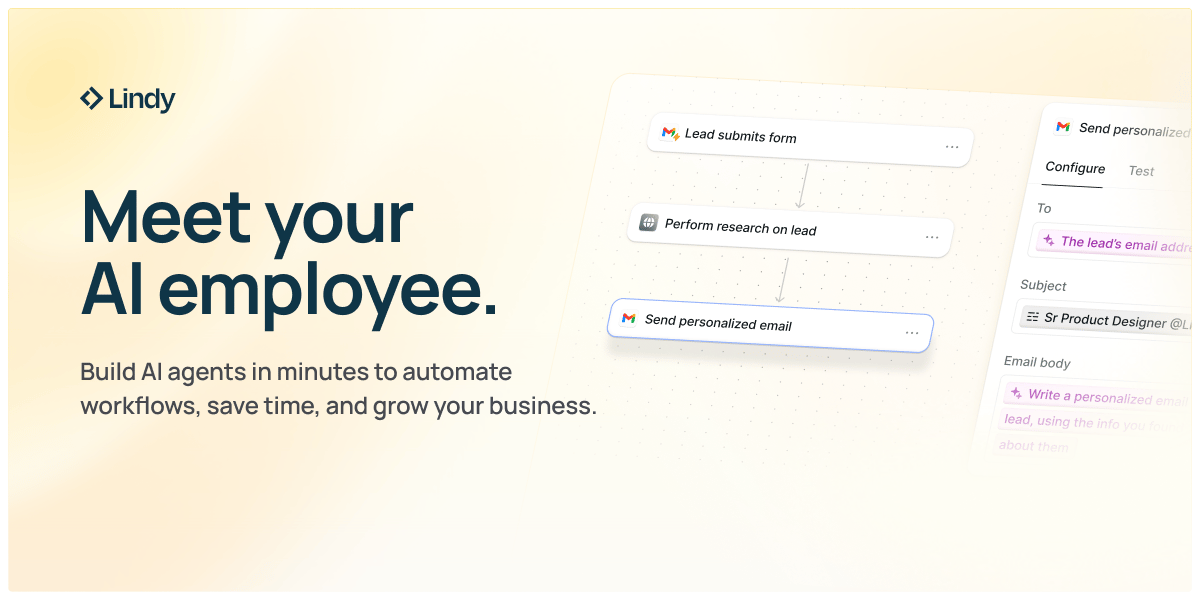
You know that AI can help you automate your work, but you just don't know how to get started.
With Lindy, you can build AI agents and apps in minutes simply by describing what you want in plain English.
From inbound lead qualification to AI-powered customer support and full-blown apps, Lindy has hundreds of agents that are ready to work for you 24/7/365.
Stop doing repetitive tasks manually. Let Lindy automate workflows, save time, and grow your business.

Image Credit: AIGPE®
🧠The Pulse
What if the app you use daily could detect mental struggles? New reports show ChatGPT users are sharing thoughts about suicide and mental health issues in their chats. This raises important questions: Should AI companies track this data? How can they help people in crisis? And what about privacy?
📌The Download
OpenAI (the company behind ChatGPT) analyzed user conversations and found increasing mentions of suicidal thoughts, paranoia, and mental health crises. The BBC reported that OpenAI shared these statistics (without names or personal details) with researchers to study online mental health patterns and improve safety features.
Mental health experts praised the transparency but warned about ethical concerns. When AI companies analyze emotional content, they must be extremely careful with how they use that information. OpenAI stated clearly that no personal information was shared, and the goal was purely to help people.
OpenAI has updated ChatGPT to show mental health resources when users mention self-harm. However, this sparked a bigger debate: Should AI tools monitor how users feel? And should they respond to emotional distress?
💡What This Means for You
AI can now understand emotions and recognize when someone is struggling. This could help people get support faster, but it also means your private conversations might be analyzed in ways you didn't expect. The key question is: Does emotional AI help us or invade our privacy?

Image Credit: AIGPE®
🧠The Pulse
Amazon is preparing for its biggest job cuts ever. According to CNBC, thousands of office workers will lose their jobs starting Tuesday. This massive change shows how automation and AI are transforming even the world's largest tech companies, making many traditional jobs unnecessary.
📌The Download
Amazon will begin layoffs focusing on corporate and technology teams, including workers in Alexa (the voice assistant), Prime Video, and human resources departments. This will be the largest job reduction in Amazon's entire history, though the company hasn't revealed the exact number of affected workers.
Amazon is cutting costs and reorganizing to handle slowing online shopping growth and to invest heavily in AI technology. Company leaders believe this will make Amazon "leaner and more agile" as it shifts focus toward generative AI (like ChatGPT) and automated cloud computing services.
Workers expressed anger and frustration online, saying the decision came suddenly with little warning or explanation. Industry analysts say this signals that even the most stable tech companies are tightening budgets to fund expensive AI projects.
💡What This Means for You
Tech jobs are no longer secure, even at giant companies. The biggest firms are rebuilding their teams for an AI-powered future. If you work in tech, focus on learning flexible skills that won't be easily automated. If you're a customer, expect faster innovation but fewer human employees helping you.

Image Credit: AIGPE®
🧠The Pulse
Google and energy company NextEra are doing something unexpected: restarting a closed nuclear power plant in Iowa. The Duane Arnold Energy Center will power Google's massive data centers (giant buildings full of computers). This is a major move toward cleaner energy for AI and could change how tech companies get electricity.
📌The Download
Google and NextEra announced they will reopen the Duane Arnold nuclear facility, which was previously shut down. It will generate carbon-free electricity to power Google's huge computing operations in the Midwest. Nuclear power produces energy without releasing carbon dioxide, the gas that causes climate change.
This is part of Google's commitment to run all operations on clean energy by 2030. NextEra will manage the technical operations of the plant, while Google will use the energy to offset the environmental impact of AI, which requires enormous amounts of electricity to run.
Experts believe this could encourage other tech giants like Microsoft or Amazon to use nuclear power instead of fossil fuels (coal, oil, gas). However, environmental groups are cautious, pointing out that while nuclear energy doesn't produce carbon emissions, it does create radioactive waste that must be stored safely for thousands of years.
💡What This Means for You
The future of AI isn't just about programming, it's about power. Every chatbot response, AI-generated image, and data analysis consumes electricity. Nuclear energy might help make AI greener, but it will also restart old debates about whether nuclear power is truly safe and sustainable.

Image Credit: AIGPE®
🧠The Pulse
Elon Musk's new project, "Grokipedia," launched with a big problem: it copied content directly from Wikipedia. The platform was supposed to compete with Wikipedia, but instead, it sparked criticism about copyright violations, plagiarism, and whether AI companies respect the sources they use.
📌The Download
The Verge reported that Grokipedia launched as part of xAI's integration with X (formerly Twitter). Users immediately noticed that many pages contained identical text and formatting copied directly from Wikipedia entries. This raised concerns about copyright law and proper attribution (giving credit to original sources).
Musk claimed Grokipedia is "an improved version of Wikipedia" and encouraged users to "fix biases" he believes exist on the original site. However, the Wikimedia Foundation (the nonprofit organization that runs Wikipedia) said copying content without proper credit violates Wikipedia's Creative Commons license—a legal agreement that allows free use only if you give credit.
xAI said Grokipedia's content was still being tested and that proper credit would be added later. Critics argue this reflects a larger problem: AI companies frequently use publicly available information without respecting open-source principles (the rules that govern free sharing of information online).
💡What This Means for You
AI platforms are changing how knowledge gets shared—but not always ethically or legally. Grokipedia's troubled launch shows that even famous tech entrepreneurs can make mistakes with copyright and attribution. As AI tools increasingly pull information from public sources, transparency about where information comes from matters more than ever.
AI TOOL OF THE DAY
Create how-to video guides fast and easy with AI
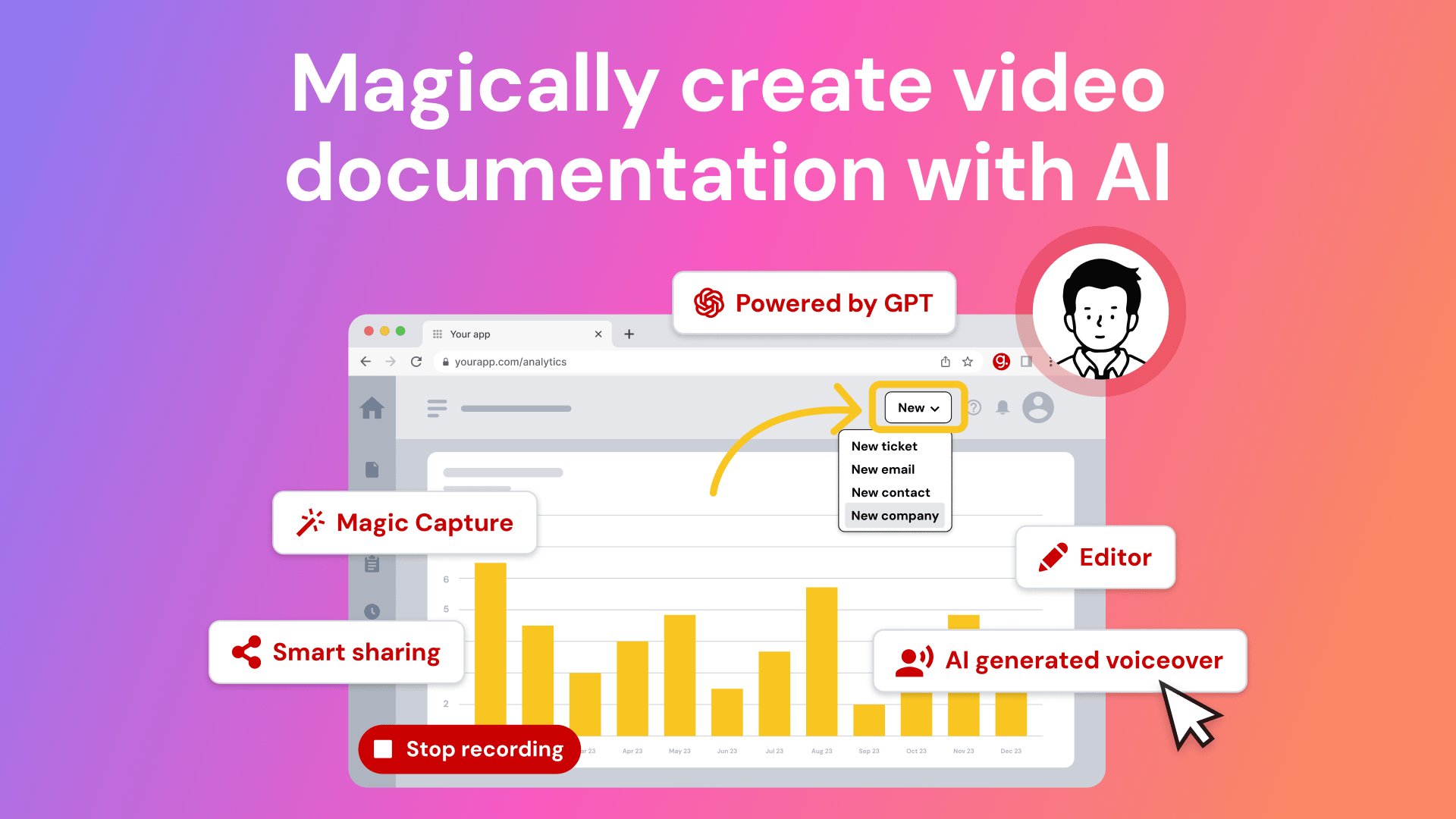
Tired of explaining the same thing over and over again to your colleagues?
It’s time to delegate that work to AI. Guidde is a GPT-powered tool that helps you explain the most complex tasks in seconds with AI-generated documentation.
1️⃣Share or embed your guide anywhere
2️⃣Turn boring documentation into stunning visual guides
3️⃣Save valuable time by creating video documentation 11x faster
Simply click capture on the browser extension and the app will automatically generate step-by-step video guides complete with visuals, voiceover and call to action.
The best part? The extension is 100% free
BOOK OF THE DAY

Image Credit: AIGPE®
Good Strategy, Bad Strategy by Richard Rumelt shows how real success comes from clear thinking and tough choices. The best leaders cut through noise, face hard problems directly, and create focus — not fluff.
Clear Thinking That Wins – Many confuse goals or slogans with strategy. Rumelt shows that good strategy identifies real problems and sets a clear plan, while bad strategy hides behind vague talk and wishful thinking.
Care and Challenge Together – Strong leaders face obstacles head-on, make hard choices, and direct resources where they matter most.
A Better Work Culture – Across business, government, and the military, Rumelt proves that honesty and focus drive progress — while empty promises lead to failure.
💡 Why you can’t ignore this:
In today’s busy world, only clear strategies work. Leaders who know the difference between good and bad strategy get real results and build trust with their teams.
IN AI TODAY - QUICK HITS
⚡Quick Hits (60‑Second News Sprint)
Short, sharp updates to keep your finger on the AI pulse.
֎ OpenAI Offers Free ChatGPT Go in India: OpenAI is giving all users in India free access to ChatGPT Go for one year. The plan includes faster answers, priority access, and more tools. The move aims to expand AI use across India’s growing tech community, making advanced AI tools available to students, creators, and businesses.
📰 Saudi Arabia Bets Big on AI: Saudi Arabia is reducing its dependence on oil by investing heavily in artificial intelligence and technology. The country is building research centers, partnering with global tech firms, and training young people in AI skills. This shift is part of its Vision 2030 plan to create a modern, tech-driven economy.
TOOL TO SHARPEN YOUR SKILLS
📈Improve Processes. Drive Results. Get Certified.

AIGPE® Six Sigma Green Belt Certification
Take your Six Sigma journey to the next level with the Green Belt. Learn how to solve problems with data, lead real improvement projects, and make a lasting impact at work. Get your AIGPE® Six Sigma Green Belt Certification and grow as a trusted professional.
KEY QUOTES AND STRATEGIC INSIGHT
"I believe it’s going to change the world more than anything in the history of mankind. More than electricity."
— Kai-Fu Lee, AI expert and author of AI Superpowers
That’s it for today’s AI Pulse!We’d love your feedback, what did you think of today’s issue? Your thoughts help us shape better, sharper updates every week. |
🙌 About Us
AI Pulse is the official newsletter by AIGPE™. Our mission: help professionals master Lean, Six Sigma, Project Management, and now AI, so you can deliver breakthroughs that stick.
Love this edition? Share it with one colleague and multiply the impact.
Have feedback? Hit reply, we read every note.
See you next week,
Team AIGPETM